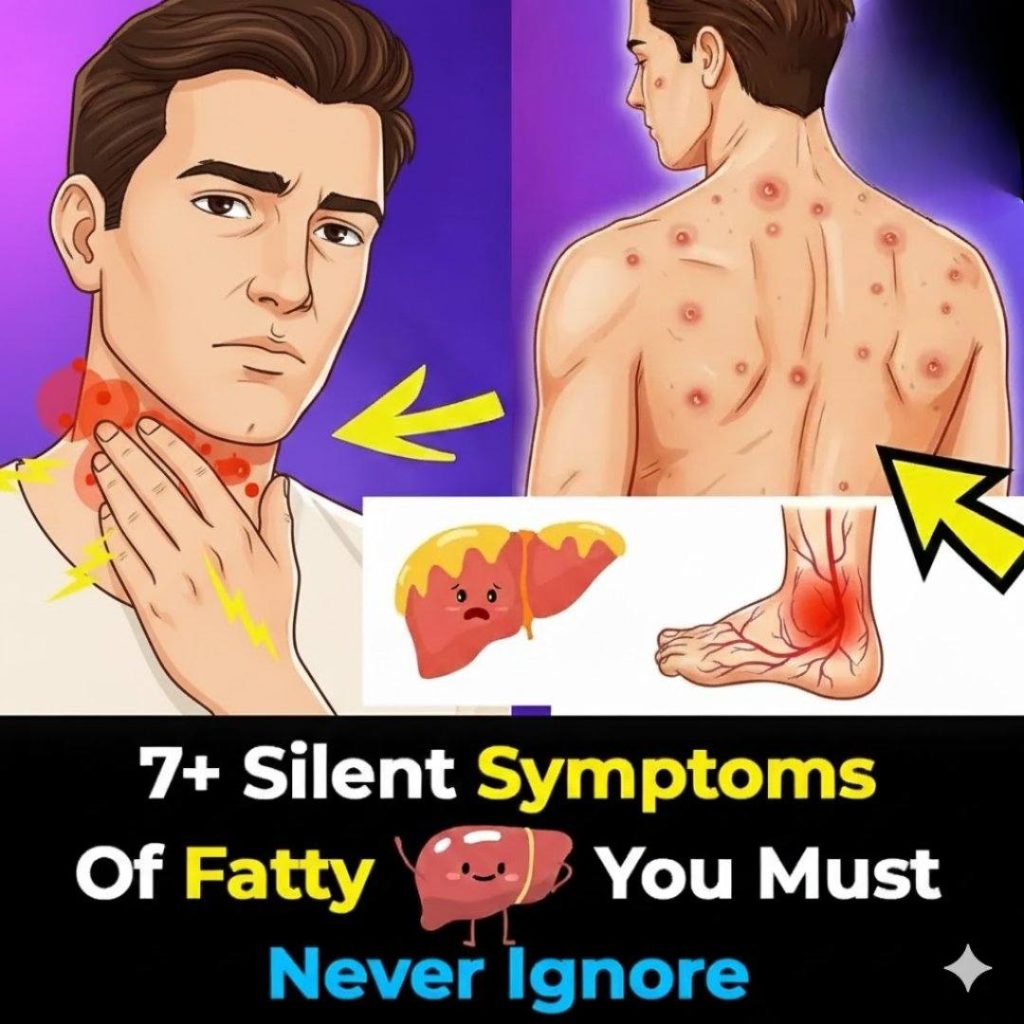
Weight gain is not really a direct symptom of fatty liver. It is better understood as part of the same metabolic picture. Fatty liver is strongly associated with obesity, insulin resistance, metabolic syndrome, and type 2 diabetes risk. So if someone is gaining weight easily or struggling with metabolic health, that may raise the chance of fatty liver, but it is not a specific liver warning sign by itself.
4. Dark skin patches or skin tags: real clue to insulin resistance, not a direct liver symptom
Darkened, velvety skin patches and multiple skin tags are more closely linked to insulin resistance than to liver damage itself. That still matters, because insulin resistance is one of the strongest drivers of fatty liver disease. In other words, these skin changes may point toward the metabolic problems that often travel with fatty liver rather than the liver condition alone.
5. Elevated liver enzymes: one of the most useful early clues
Abnormal ALT or AST levels on routine blood tests are one of the most common ways fatty liver first comes to attention. That said, normal liver enzymes do not completely rule it out, and high enzymes can happen for other reasons too. Still, in everyday practice, unexpected abnormal liver tests are one of the strongest prompts for further evaluation.
6. Brain fog or poor concentration: possible, but often overstated
Some people describe mental sluggishness, low focus, or “brain fog.” This can happen, but it is not considered a classic early symptom of simple fatty liver. It is less specific and may relate to sleep problems, stress, blood sugar issues, or more advanced illness rather than uncomplicated early MASLD alone.
7. Swelling, leg edema, jaundice, or easy bruising: not early fatty liver
This is where many viral posts go too far. Swelling in the belly or legs, yellowing of the eyes or skin, dark urine, pale stool, itching, and easy bruising are signs more consistent with advanced liver disease or cirrhosis than with early fatty liver. These symptoms should not be ignored, but they are not typical “silent early signs” of uncomplicated fatty liver.
What actually matters most
The most important truth is simple: fatty liver often causes no symptoms at all. Many people only find out they have it because of routine blood work, an ultrasound, or an evaluation for diabetes, obesity, or metabolic syndrome. That is why risk factors often matter more than symptom lists.
When to get checked
It is reasonable to ask a doctor about screening or liver testing if you have obesity, type 2 diabetes, metabolic syndrome, high triglycerides, or persistent abnormal liver enzymes. It is also a good idea to get evaluated if you have ongoing fatigue or upper right abdominal discomfort with no clear explanation.
When symptoms are more urgent
Seek medical attention sooner if you notice jaundice, major swelling in the abdomen or legs, vomiting, confusion, easy bleeding, or other signs of more advanced liver trouble. Those symptoms go beyond the usual picture of early fatty liver and need proper evaluation.
Final takeaway
Fatigue and mild right-sided abdominal discomfort are real possible symptoms of fatty liver, but they are nonspecific. Elevated liver enzymes are often a more useful clue than symptoms. Skin changes may reflect insulin resistance, while swelling, jaundice, and bruising are more concerning for later-stage liver disease than early fatty liver itself. The bottom line is that fatty liver is usually found through testing, not through dramatic symptoms.

Baking Soda: The Best Natural Remedy for Immediate Heartburn Relief

3 Bedtime Vitamins That May Help Support Leg Strength and Mobility After Age 60

Seniors: Simple Ways Baking Soda Can Support Everyday Comfort (You’ll Wish You Knew Sooner)

A Subtle Early Sign of Alzheimer’s You Might Notice in the S…

What Are the Most Common Side Effects of Amlodipine? 12 Things to Watch For