
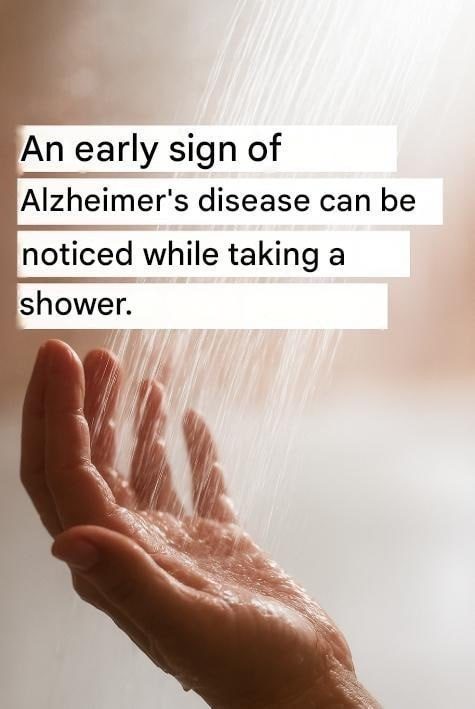
In a long-term study involving over 1,000 participants, researchers used a basic smell identification test. Participants were asked to recognize common scents such as:
- Soap
- Smoke
- Rose
- Leather
The findings were significant: individuals who struggled to correctly identify these odors were more likely to develop cognitive impairment later.
A score below 8 out of 12 was considered a potential warning sign. When combined with short memory assessments, this simple smell test proved nearly as informative as more complex tools like brain imaging in some cases.
Why This Matters for Early Detection
One of the biggest challenges with Alzheimer’s is detecting it early enough to intervene effectively.
Smell testing offers several advantages:
- Non-invasive
- Low-cost
- Quick and easy to administer
- No specialized equipment required
According to Jeffrey Motter, incorporating smell tests into routine check-ups could improve early detection and allow for earlier lifestyle or medical interventions.
Which Smells Are Tested?
The study used 12 common scents divided into two categories:
Non-food scents:
- Soap
- Leather
- Lilac
- Smoke
- Gas
- Rose
Food-related scents:

Baking Soda: The Best Natural Remedy for Immediate Heartburn Relief
3 Bedtime Vitamins That May Help Support Leg Strength and Mobility After Age 60

Seniors: Simple Ways Baking Soda Can Support Everyday Comfort (You’ll Wish You Knew Sooner)

What Are the Most Common Side Effects of Amlodipine? 12 Things to Watch For

The 10 Metoprolol Side Effects You Should Know About

10 Often Overlooked Metoprolol Side Effects That Deserve More Attention
