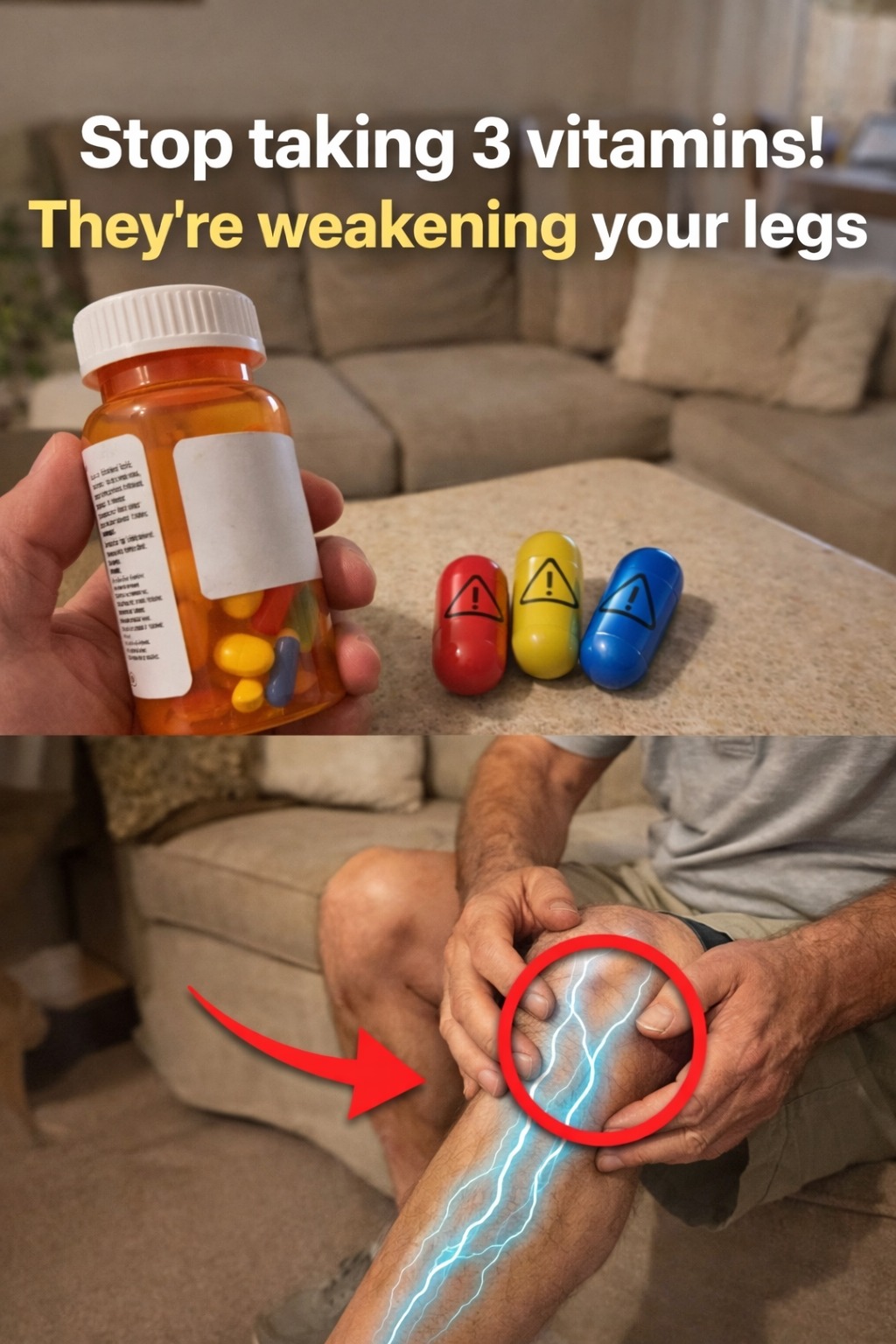
Pay attention if you notice:
- New or worsening tingling or numbness in feet or legs
- Feeling of heaviness or weakness when standing or walking
- Increased muscle soreness without changes in activity
- Difficulty with balance that seems unrelated to other causes
These are not definitive proof of any one vitamin, but they are good reasons to review your supplement labels and discuss bloodwork with your doctor.

Actionable Tips to Support Leg Strength Safely
Here are practical steps you can consider (always consult your healthcare provider before stopping or starting supplements):
- Check your total intake: Read labels on all supplements, including multivitamins, to add up amounts of B6, A, and D. Look for products with lower or no added B6 if you already consume fortified foods.
- Prioritize food sources: Get nutrients from whole foods where possible. Leafy greens, fatty fish, eggs, and fortified dairy or plant milks can provide balanced amounts without the risk of excess from pills.
- Get tested: Ask for simple blood tests for vitamin D, B12, and other relevant levels. This helps avoid guessing and ensures you address actual needs rather than potential overload.
- Focus on movement: Combine smart nutrition with gentle strength activities like chair squats, walking, or balance exercises. Even short daily sessions can help maintain leg power.
- Stay hydrated and balanced: Proper fluid intake and a diet rich in varied proteins, fruits, and vegetables supports overall muscle and nerve health.
Simple Daily Habits That Make a Difference
- Morning walk in natural light (safely) to support healthy vitamin D levels without supplements.
- Strength-focused movements 2–3 times a week, starting slow and building up.
- Regular check-ins with your doctor or a registered dietitian about your supplement stack, especially if you take more than one product.

Conclusion: Small Changes Can Help Preserve Your Mobility
Leg strength is not just about avoiding weakness — it is about keeping the freedom to live actively on your terms. By being mindful of how common vitamins like B6, A, and D add up in your routine, you can make informed choices that support rather than unintentionally challenge your lower body.
Many seniors discover that a more thoughtful approach to supplementation, paired with consistent movement and proper testing, helps them feel steadier and more confident. You do not have to figure this out alone. Start with a conversation with your healthcare provider and a review of what you are currently taking.
FAQ
1. Can stopping certain vitamins really improve leg strength quickly? Changes in how your body feels after adjusting supplements can vary. Some people notice improvements in nerve-related sensations over weeks to months once excess intake stops, while muscle strength often benefits most from consistent activity and addressing any underlying deficiencies. Results depend on your individual situation.
2. Should all seniors avoid vitamin D supplements? No. Vitamin D remains important for many people, especially those with low levels confirmed by testing. The focus is on appropriate dosing rather than complete avoidance. Your doctor can guide the right amount based on your blood results and lifestyle.
3. How do I know if my multivitamin has too much B6? Check the label for the amount of vitamin B6 (often listed as pyridoxine or pyridoxal-5-phosphate). If it is 10 mg or higher and you take other products containing B6, the daily total may exceed typical needs for most adults. Discuss safe levels with your pharmacist or doctor.
Disclaimer: This article is for informational purposes only and is not intended as medical advice, diagnosis, or treatment. Individual nutrient needs and responses to supplements can vary widely. Always consult with a qualified healthcare professional before making any changes to your supplement regimen, diet, or exercise routine, especially if you have existing health conditions or take medications. Blood testing and personalized guidance are the safest ways to support your health.

Baking Soda: The Best Natural Remedy for Immediate Heartburn Relief

3 Bedtime Vitamins That May Help Support Leg Strength and Mobility After Age 60

Seniors: Simple Ways Baking Soda Can Support Everyday Comfort (You’ll Wish You Knew Sooner)

A Subtle Early Sign of Alzheimer’s You Might Notice in the S…

What Are the Most Common Side Effects of Amlodipine? 12 Things to Watch For