
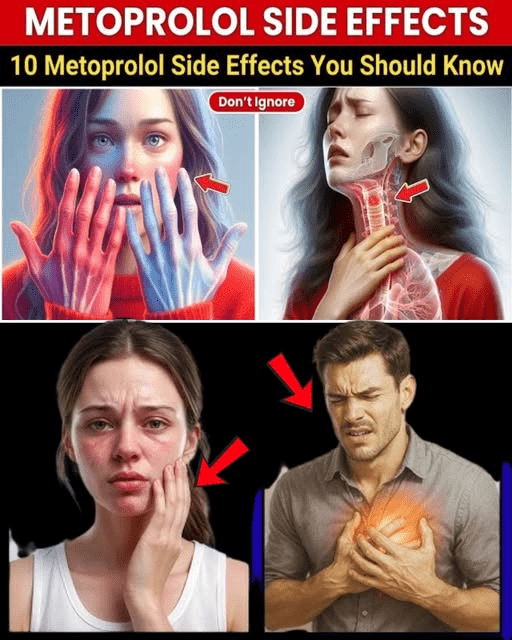
Waking up already exhausted, even after a full night’s sleep? Fatigue ranks among the most reported effects of metoprolol, sometimes described as a heavy blanket over your energy.
Clinical data shows tiredness or unusual weakness occurs commonly, often because the drug slows heart rate and reduces cardiac output. You might push through, thinking it’s normal recovery. Research suggests it may ease, but for some, it persists. And this fatigue often teams up with the next surprising effect.
6. Sexual Function Changes
Noticing a drop in libido or difficulty with performance? Metoprolol can contribute to erectile dysfunction or reduced sexual interest in some men, a side effect tied to its impact on blood flow and hormones.
This gets mentioned less in routine discussions, yet studies acknowledge it as possible. You might hesitate to bring it up, but many find relief through open talks or adjustments. “Is it the heart issue or the pill?” Often, it’s worth exploring both.
5. Masked Low Blood Sugar Signs (Especially for Diabetics)
If you have diabetes, metoprolol might hide early warning signs of low blood sugar—like a racing heart—making episodes feel more sudden and severe.
Medical sources warn this masking increases risk of prolonged hypoglycemia. Sweating or shakiness might be your only clues. You could think, “My sugar never drops like this.” Monitoring closely becomes essential. But the respiratory concerns ahead can feel even more alarming.
4. Breathing Difficulties or Worsening Lung Issues
A subtle tightness in your chest or shortness of breath during activity? Metoprolol can trigger bronchospasm in people with asthma or reactive airways, tightening muscles around the lungs.
This effect appears more in those with preexisting conditions, though rare in others. Studies highlight caution for lung patients. Imagine feeling winded on a short walk—prompt attention can prevent escalation. Yet the heart-related risks coming next are truly critical.
3. Dangerously Slow Heart Rate (Bradycardia)
Your pulse drops too low, leaving you dizzy or faint. Bradycardia ranks as a serious but possible effect, with some experiencing rates under 40 beats per minute.
Data from prescribing information notes this can lead to lightheadedness or fainting. You might dismiss early signs as “just being tired.” Immediate medical check often resolves it through dose tweaks. And this leads to an even more pressing concern.
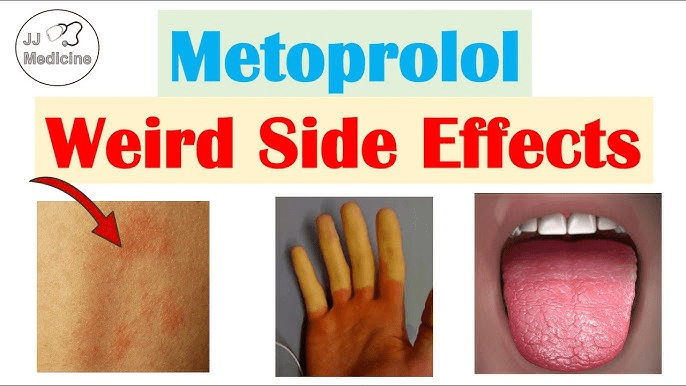
2. Sudden Worsening of Heart Failure Symptoms
Swelling in your legs, rapid weight gain, or increased shortness of breath? In some with heart failure, metoprolol may initially worsen symptoms before benefits appear.
Guidelines emphasize close monitoring early on. You could feel frustrated, wondering why treatment seems to backfire. Careful titration usually helps, but vigilance saves trouble. But the most shocking one—often overlooked—waits at number one.
1. Risks from Stopping Abruptly
Suddenly quitting metoprolol can trigger rebound effects like severe chest pain, high blood pressure spikes, irregular rhythms, or even heart attack risk—especially in those with coronary disease.
Every major source stresses: Never stop without medical guidance. Taper gradually under supervision. Many patients discover this the hard way, facing withdrawal symptoms that feel life-threatening. This underscores why awareness matters most.
Quick Comparison: Common vs. Less Common Effects
ADVERTISEMENT
ADVERTISEMENT

Baking Soda: The Best Natural Remedy for Immediate Heartburn Relief
3 Bedtime Vitamins That May Help Support Leg Strength and Mobility After Age 60

Seniors: Simple Ways Baking Soda Can Support Everyday Comfort (You’ll Wish You Knew Sooner)

A Subtle Early Sign of Alzheimer’s You Might Notice in the S…

What Are the Most Common Side Effects of Amlodipine? 12 Things to Watch For

The 10 Metoprolol Side Effects You Should Know About
Baking Soda: The Best Natural Remedy for Immediate Heartburn Relief
3 Bedtime Vitamins That May Help Support Leg Strength and Mobility After Age 60
Seniors: Simple Ways Baking Soda Can Support Everyday Comfort (You’ll Wish You Knew Sooner)
A Subtle Early Sign of Alzheimer’s You Might Notice in the S…
What Are the Most Common Side Effects of Amlodipine? 12 Things to Watch For
