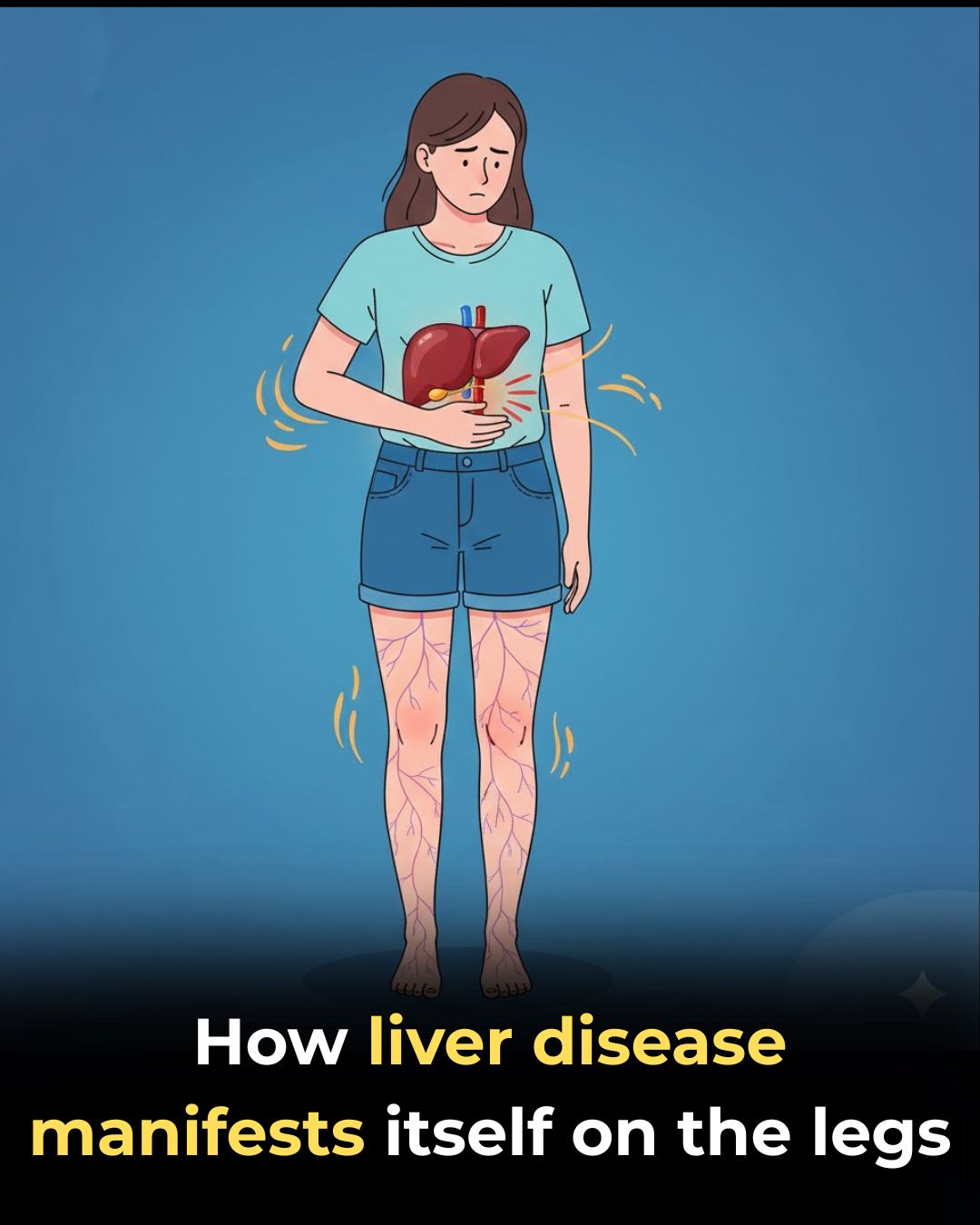
Ongoing swelling in the abdomen should not be ignored. In some liver conditions, fluid can build up in the belly, which may cause a feeling of pressure, fullness, or visible swelling over time.
7. Yellowing of the eyes or skin
Yellowing of the whites of the eyes or the skin, known as jaundice, is one of the better-known warning signs of liver trouble. On brown or black skin, it may be easier to notice in the eyes than on the skin itself.
6. Pale, clay-colored, or light stools
A noticeable change in stool color can sometimes point to problems involving the liver or bile ducts. Pale or clay-colored stools, especially when paired with dark urine or jaundice, are worth getting checked.
5. Swelling in the legs, ankles, or feet
Fluid buildup does not always stay limited to the abdomen. Some people with liver disease develop swelling in the legs, ankles, or feet, which may become more noticeable later in the day or after standing for long periods.
4. Loss of appetite or unexplained weight loss
A reduced appetite can happen with many health issues, but it is also listed among possible liver-related symptoms. If you are eating less than usual, losing weight without trying, or feeling full very quickly, it is worth paying attention.
3. Nausea or vomiting
Ongoing nausea or repeated vomiting can be another sign that something is not right. On its own, this symptom is not specific to liver disease, but in combination with tiredness, abdominal swelling, jaundice, or appetite changes, it becomes more important to evaluate.
2. Pain or discomfort in the upper right abdomen
The liver sits in the upper right side of the abdomen, and some liver conditions can cause pain, pressure, or discomfort in that area. This does not happen in every case, but when it does, it should not be ignored, especially if it appears with other symptoms on this list.
1. Confusion, memory problems, or unusual sleepiness
Changes in thinking, concentration, memory, or alertness can happen in advanced liver disease. Mild confusion, forgetfulness, poor concentration, or unusual drowsiness can be serious warning signs and should be assessed quickly.
When to seek urgent medical help
Some symptoms need prompt medical attention, not a wait-and-see approach. Seek urgent help if you have vomiting blood, black tarry stools, severe confusion, marked sleepiness, yellowing of the eyes or skin, or major swelling in the abdomen or legs.
Final thought
Many of these symptoms can be caused by conditions other than liver disease, so they are not a diagnosis by themselves. Still, persistent or unusual changes in your body are worth taking seriously. Early medical evaluation can help identify the cause, guide testing, and make treatment easier if there is a liver problem.

Baking Soda: The Best Natural Remedy for Immediate Heartburn Relief

3 Bedtime Vitamins That May Help Support Leg Strength and Mobility After Age 60

Seniors: Simple Ways Baking Soda Can Support Everyday Comfort (You’ll Wish You Knew Sooner)

A Subtle Early Sign of Alzheimer’s You Might Notice in the S…

What Are the Most Common Side Effects of Amlodipine? 12 Things to Watch For